


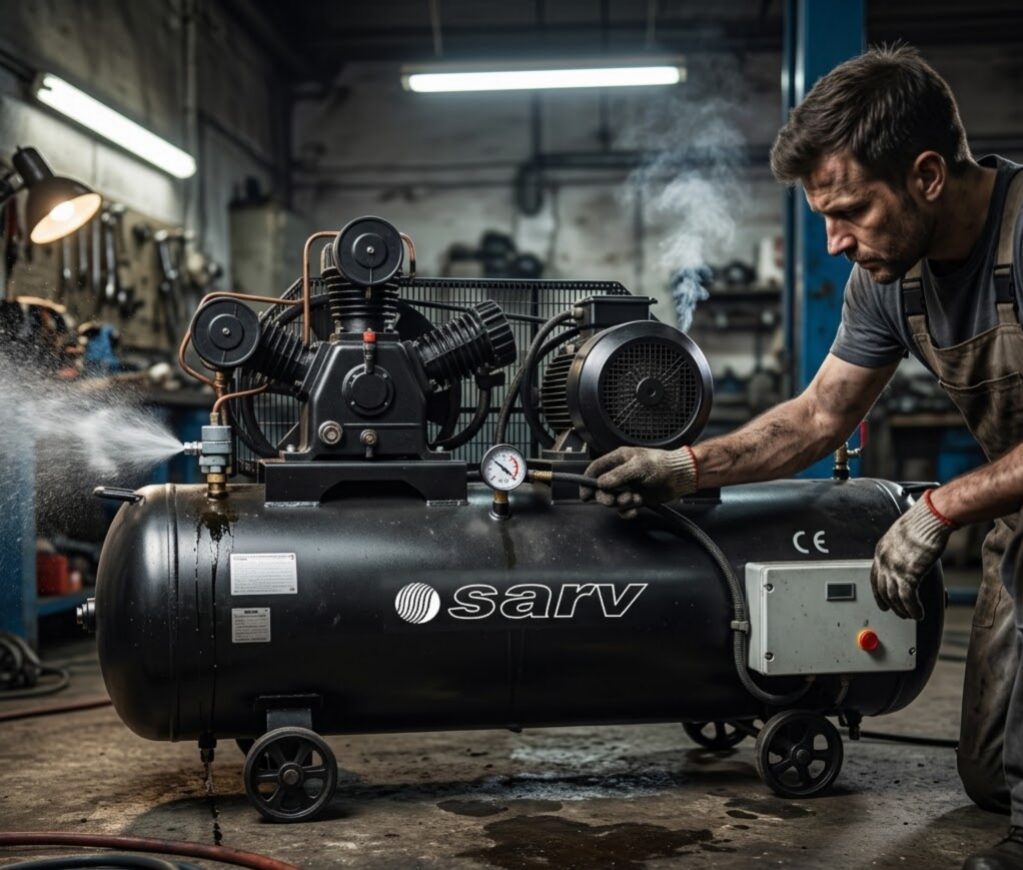
In any busy garage or manufacturing setup, a reliable air compressor is the heart of daily operations. From driving pneumatic wrenches to powering paint sprayers, your shop depends heavily on consistent compressed air. However, ignoring small operational shifts can quickly lead to catastrophic machine failure, costly downtime, and expensive emergency repairs. Knowing when your workshop’s air compressor needs immediate servicing allows you to address mechanical wear before a minor fix turns into a complete equipment overhaul.
Why Timely Air Compressor Maintenance Matters
Compressed air systems operate under high pressure, generating significant thermal and mechanical stress. Over time, internal components like pistons, valves, screws, and seals degrade. When preventative maintenance is delayed, energy consumption spikes, air output quality drops, and safety risks increase. Recognizing early indicators of failure protects both your investment and your workflow.
1. Unusual Noise or Excessive Vibration
Every air compressor generates a baseline level of operational sound. However, sudden changes in acoustic patterns or severe physical vibration indicate internal structural stress.
- Knocking or Clanking: Often signals worn connecting rod bearings, loose flywheels, or internal piston damage.
- Hissing Sounds: Typically points to significant air leaks across seals, hoses, or fittings.
- Screeching or Grinding: Suggests worn motor bearings or a slipping, damaged drive belt.
If your unit vibrates excessively, check mounting bolts and dampening pads immediately. Persistent grinding or knocking requires professional technician inspection before restarting the machine.
2. Drop in Pressure or Low Air Output
A common red flag is a system that runs continuously but fails to reach or maintain its rated pressure (PSI). If your pneumatic tools lack power or cycle sluggishly, air supply deficiency is usually the root cause.
- Clogged Air Filters: Restricted intake filters choke air flow, forcing the pump to work harder.
- Worn Piston Rings or Vanes: Reduced compression efficiency allows air to bypass internal chambers.
- Internal Air Leaks: Cracks in receiver tanks or compromised intake valves bleed off pressure.
Running a compressor with a pressure shortfall forces the motor to run non-stop, dramatically shortening its lifespan and driving up utility bills.
3. Excessive Moisture in Compressed Air Lines
Air compression naturally produces condensation, which collects inside the air receiver tank. However, if excess water begins leaking into your air lines or downstream tools, your moisture management system has failed.
+--------------------------+--------------------------------------------------+
| Potential Cause          | Operational Impact                               |
+--------------------------+--------------------------------------------------+
| Failed Auto-Drain Valve  | Tank fills with water, reducing air capacity     |
| Malfunctioning Dryer     | Wet air corrodes pneumatic tool internals        |
| High Ambient Humidity    | Excessive condensation buildup beyond filter cap |
+--------------------------+--------------------------------------------------+
Inspect and drain your receiver tank daily. If water continues to bypass your inline moisture traps or air dryers, schedule an immediate service to replace worn filtration elements and test drain valves.
4. Overheating and Automatic Shutdowns
Air compressors generate significant thermal energy, but internal cooling mechanisms—such as cooling fins, oil, and fans—keep operating temperatures within safe limits. If your unit runs excessively hot or trips its thermal overload switch, immediate intervention is required.
- Low or Contaminated Lubricant: In oil-lubricated models, old or insufficient oil increases friction and heat.
- Blocked Heat Exchangers: Dust, grease, and debris buildup on cooling fins restrict airflow.
- Inadequate Workshop Ventilation: Poor ambient air circulation traps heat inside the compressor room.
Never bypass a thermal overload switch to force a hot compressor to run. Allow the unit to cool and inspect oil levels and air pathways immediately.
5. Oil Contamination or Discolored Lubricant
For oil-lubricated reciprocating or rotary screw compressors, oil quality directly reflects overall system health. Dark, burnt, or milky oil indicates severe internal issues.
- Milky White Oil: Indicates water contamination mixed into the lubrication system.
- Dark, Sludgy Oil: Shows thermal breakdown caused by operating at excessive temperatures.
- Oil in Air Discharge Lines: Points to a failed oil separator element or worn piston rings.
Contaminated oil destroys bearings, rotors, and cylinder walls rapidly. Regular oil sampling and timely fluid changes prevent total pump failure.
Preventative Maintenance Checklist for Workshops
Establishing a routine inspection schedule prevents unexpected breakdowns and extends equipment longevity.
[Daily]
 ├── Drain moisture from receiver tank
 ├── Check oil sight glass level
 └── Listen for abnormal noises or leaks

[Weekly]
 ├── Inspect and clean intake air filters
 ├── Inspect belts for tension and wear
 └── Verify safety relief valve operation

[Monthly / Quarterly]
 ├── Change air and oil filters
 ├── Test automatic drain valves and dryers
 └── Inspect electrical connections and contactors
Link to an authoritative technical resource or industry standard body, such as the Compressed Air and Gas Institute (CAGI) for industry-standard maintenance and safety guidelines.
Ignoring early warning signs like pressure losses, knocking noises, excess moisture, or thermal cut-offs can turn minor maintenance tasks into catastrophic equipment failures. Routine servicing preserves output quality, reduces power consumption, and protects your operational efficiency.
Is your air compressor showing signs of wear? Don’t wait for expensive downtime to halt your operations. [Contact Our Expert Service Team Today] to schedule a comprehensive maintenance inspection and keep your workshop running at peak performance!
Frequently Asked Questions (FAQs)
How often should a workshop air compressor be serviced?
A workshop air compressor should undergo basic inspections daily and weekly, with comprehensive professional servicing performed every 500 to 1,000 operational hours or at least once a year, depending on usage intensity and manufacturer specifications.
Why is my air compressor running continuously without building pressure?
Continuous operation without pressure buildup is usually caused by clogged intake filters, severe air leaks in the system, worn piston rings, or damaged check valves that allow pressurized air to escape.
What happens if you don’t drain water from an air compressor tank?
Failing to drain condensation causes internal rust and corrosion inside the steel tank, reducing air storage volume, damaging downstream pneumatic tools, and potentially creating a structural safety hazard over time.
Why is my air compressor blowing oil out of the hose?
Oil in the air line typically indicates a failed air-oil separator in rotary screw models or worn piston rings and seals in reciprocating units, requiring immediate component replacement.